Monday, April 8, 2024

India’s Flood Management Infrastructure

 India: Managing the Complex Problem of Floods and Droughts


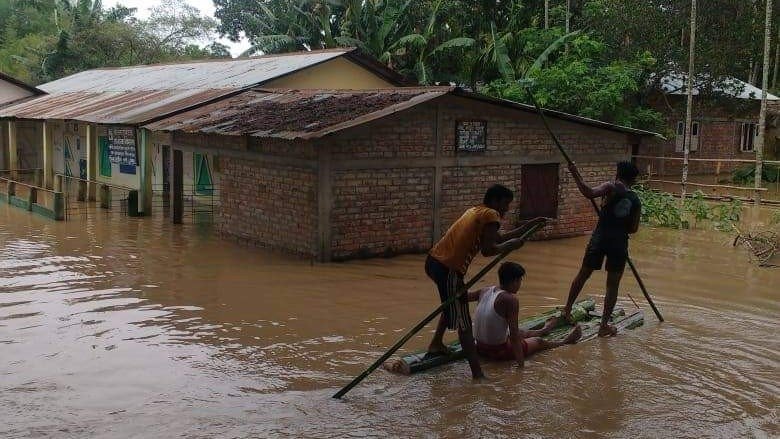
Flooding has long been a major challenge in India, exacerbated by rapid urbanization, poor drainage systems, and the unpredictability of monsoonal rains. In cities like Mumbai and Kolkata, flooding during the monsoon season has become a yearly occurrence, causing damage to property, infrastructure, and lives.

India has made significant investments in flood management infrastructure, including the construction of embankments, dams, and drainage systems. However, the scale of the problem is vast, and flood management remains an ongoing challenge. In rural areas, flooding continues to wreak havoc on crops, leaving farmers without livelihoods.

The government’s National Disaster Management Authority (NDMA) has worked on improving flood forecasting systems and early warning mechanisms. These efforts are aimed at reducing the number of lives lost and increasing the effectiveness of evacuations. Yet, there is still much work to be done, especially in rapidly urbanizing areas where informal settlements are most at risk.

Interactive Element:

  • Flooding Prevention: Explore interactive simulations on how embankments and dams can reduce flooding in various regions of India.
  • Poll: How effective do you think India’s flood management measures are in preventing major disasters?

Wednesday, March 27, 2024

The Changing Climate and Its Effects on India’s Agriculture


India’s agricultural sector is facing increasing challenges due to climate change. The country’s dependence on monsoonal rains makes it vulnerable to changes in rainfall patterns, prolonged droughts, and extreme weather events. Changes in the timing, intensity, and distribution of rainfall have already been observed, with some regions experiencing drier conditions while others receive excessive rainfall.

Climate change is expected to reduce crop yields, particularly in staple crops like wheat, rice, and pulses, which are highly sensitive to temperature and water availability. Furthermore, the shifting patterns of pests and diseases, worsened by rising temperatures, pose a threat to crop production.

To cope with these challenges, Indian farmers are being encouraged to adopt climate-resilient agricultural practices, such as drought-resistant crops and water-efficient irrigation systems. However, the transition to climate-smart farming requires substantial investments, education, and support from the government.

Interactive Element:

  • Climate Impact Map: See how climate change is affecting agricultural productivity in different regions of India.
  • Poll: What steps should the Indian government take to ensure the resilience of its agricultural sector against climate change?

Monday, March 25, 2024

India’s Growing Pollution Crisis and Air Quality Issues


Air pollution has become a growing crisis in India, with numerous cities consistently ranking among the most polluted in the world. Thick smog, primarily caused by vehicle emissions, industrial activity, and the burning of biomass, is a serious public health hazard. Cities like Delhi are notorious for their toxic air, especially during the winter months when stubble burning in neighboring states like Punjab exacerbates the pollution.

Air pollution in India has serious consequences, from respiratory illnesses to cardiovascular diseases and premature death. According to reports, air pollution in India causes over 1 million premature deaths annually, with children and the elderly being the most vulnerable groups. In addition to human health, the poor air quality also harms the environment, including contributing to global warming and changing weather patterns.

India’s government has taken steps to address this issue, such as implementing stricter vehicle emissions standards and promoting cleaner energy sources. However, the sheer scale of the problem means that more comprehensive, nationwide policies are needed to effectively reduce air pollution levels.

Interactive Element:

  • Air Quality Index: Track the air quality in major cities across India in real-time.
  • Poll: How do you think India can combat the air pollution crisis most effectively?

Thursday, March 21, 2024

The Role of the Bay of Bengal in India's Cyclone Formation


The Bay of Bengal plays a crucial role in the formation of cyclones in India. As a large, warm water body, the Bay provides the perfect conditions for the development of tropical storms, especially in the summer months. The process of cyclogenesis begins when the ocean water's surface temperatures rise, causing the air above to become unstable. This unstable air, combined with the region's high humidity levels, results in the formation of low-pressure systems, which can intensify into cyclones.

Cyclones born in the Bay of Bengal often impact the eastern coastal states like Odisha, West Bengal, Andhra Pradesh, and Tamil Nadu. Unlike the relatively calm Arabian Sea, the Bay is more active during the cyclone season. These storms typically begin in the southern Bay and move northwards, sometimes reaching Bangladesh and Myanmar.

One of the strongest cyclones in the region's history, the 1999 Odisha Cyclone, emerged from the Bay, leaving behind a trail of destruction. It caused widespread devastation, with winds reaching 260 km/h. The cyclone highlighted the vulnerability of coastal populations and the urgent need for robust disaster management plans.

Interactive Element:

  • Click-to-Learn: Explore the stages of a cyclone’s formation in the Bay of Bengal.
  • Quiz: What weather patterns are necessary for cyclone formation in the Bay of Bengal? Test your knowledge!

Thursday, March 14, 2024

The Rising Risk of Landslides in India


In addition to floods, India’s mountainous and hilly terrain, especially in regions like Assam, Himachal Pradesh, and Uttarakhand, is highly susceptible to landslides, particularly during the monsoon season. Heavy rainfall combined with steep slopes leads to soil erosion, increasing the likelihood of landslides. These landslides can block roads, cause the destruction of homes, and even lead to fatalities.

The 2013 Uttarakhand floods are one of the most devastating examples of how a combination of heavy rain and landslides can lead to widespread disaster. The floods were responsible for the deaths of more than 5,700 people, with thousands more missing. It was reported that large sections of the state’s infrastructure were either washed away or buried under debris from landslides.

Landslides are also a significant risk in the northeastern states, where the steep terrain of the mountains makes them prone to such natural hazards. In these regions, people living in vulnerable areas need to be particularly vigilant during the monsoon months.


  • Landslide Risk Zones: View a map of landslide-prone areas in India and understand the factors contributing to these disasters.
  • Poll: How can India’s disaster management programs better address the threat of landslides?

Thursday, February 8, 2024

The Himalayan Region: Snow and Ice in India’s Extreme Cold


While most of India’s weather patterns are shaped by tropical monsoons, the northernmost regions of the country experience some of the coldest conditions on Earth. The Himalayan range, including areas like Jammu and Kashmir, Himachal Pradesh, and Uttarakhand, sees heavy snowfall during the winter months.

Gulmarg in Kashmir recorded 8.4 meters (27.6 feet) of snow in February 1967, and snowdrifts of up to 12 meters (39.4 feet) have been recorded in other parts of the region. This extreme snow, combined with blizzards that bring hurricane-force winds, can be deadly. In 2005, heavy snow in Jammu and Kashmir led to over 200 deaths, primarily due to avalanches and hypothermia.

The challenges of living in these harsh conditions are compounded by the difficulty of accessing these remote regions. Infrastructure like roads and communication lines can be cut off by heavy snow, leading to isolation. Furthermore, extreme weather conditions like avalanches pose significant risks to military personnel deployed in the region, as evidenced by the Siachen conflict, where nearly 97% of the casualties were caused by harsh weather conditions rather than combat.

Interactive Element:

  • Snowfall Tracker: Visualize snowfall data and trends across different years and regions in the Himalayas.
  • Poll: How do you think India can improve infrastructure in the Himalayan region to cope with extreme weather?

Sunday, February 4, 2024

Heavy Rainfall and Flooding in India


India’s varied climate zones can experience heavy rainfall, particularly during the monsoon season, which lasts from June to September. While the monsoon is critical for replenishing water sources and supporting agriculture, it can also cause catastrophic flooding in certain areas.

The northeastern state of Meghalaya holds the record for the highest annual rainfall in Asia, with its village of Mawsynram receiving an astonishing 11,861 millimeters (467 inches) of rain annually. This heavy rainfall contributes to the monsoon flooding that devastates parts of India each year, particularly in the low-lying coastal regions and in flood-prone areas like Bihar and Uttar Pradesh. The floods not only cause loss of life and property but also disrupt transportation, agriculture, and essential services.

In 2005, Mumbai was hit by one of the heaviest rains in its history, when 944 mm (37 inches) of rainfall was recorded in a single day. The resulting floods killed more than 900 people, underscoring the vulnerability of urban areas to extreme rainfall. Although the Indian government has made strides in flood preparedness, including better forecasting and improved infrastructure, flooding remains one of the most devastating natural disasters.

Interactive Element:

  • Flood Risk Map: Explore a map of India’s flood-prone areas and compare rainfall data across different states.
  • Poll: What measures do you think should be taken to prevent urban flooding in cities like Mumbai?

India’s Flood Management Infrastructure

  Flooding has long been a major challenge in India, exacerbated by rapid urbanization, poor drainage systems, and the unpredictability of m...