In addition to floods, India’s mountainous and hilly terrain, especially in regions like Assam, Himachal Pradesh, and Uttarakhand, is highly susceptible to landslides, particularly during the monsoon season. Heavy rainfall combined with steep slopes leads to soil erosion, increasing the likelihood of landslides. These landslides can block roads, cause the destruction of homes, and even lead to fatalities.
The 2013 Uttarakhand floods are one of the most devastating examples of how a combination of heavy rain and landslides can lead to widespread disaster. The floods were responsible for the deaths of more than 5,700 people, with thousands more missing. It was reported that large sections of the state’s infrastructure were either washed away or buried under debris from landslides.
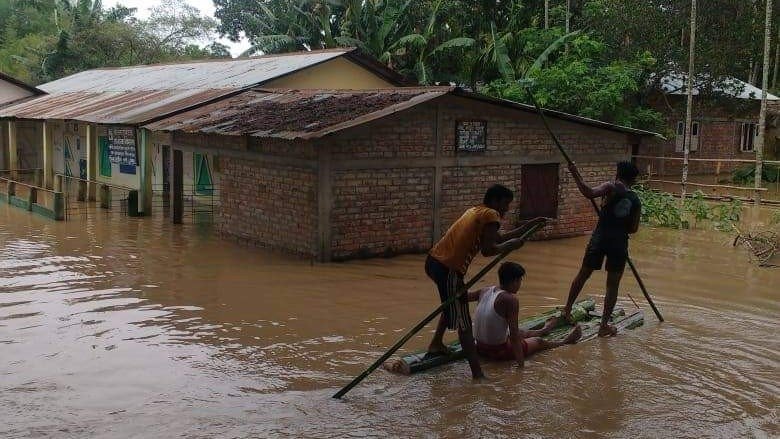
Landslides are also a significant risk in the northeastern states, where the steep terrain of the mountains makes them prone to such natural hazards. In these regions, people living in vulnerable areas need to be particularly vigilant during the monsoon months.
- Landslide Risk Zones: View a map of landslide-prone areas in India and understand the factors contributing to these disasters.
- Poll: How can India’s disaster management programs better address the threat of landslides?

No comments:
Post a Comment